
Why Water Testing Should Come Before Water Treatment
September 10th, 2026 Why Water Testing Should Come Before Water Treatment
Water treatment is not one-size-fits-all. The quality of a facility’s water can vary significantly depending on the source, location, infrastructure, and intended use. Before selecting filtration equipment, treatment processes, or chemical programs, it is important to understand what is actually in the water.
Water testing provides the information needed to identify potential problems and develop a treatment approach based on real conditions rather than assumptions.
What Water Testing Can Tell You
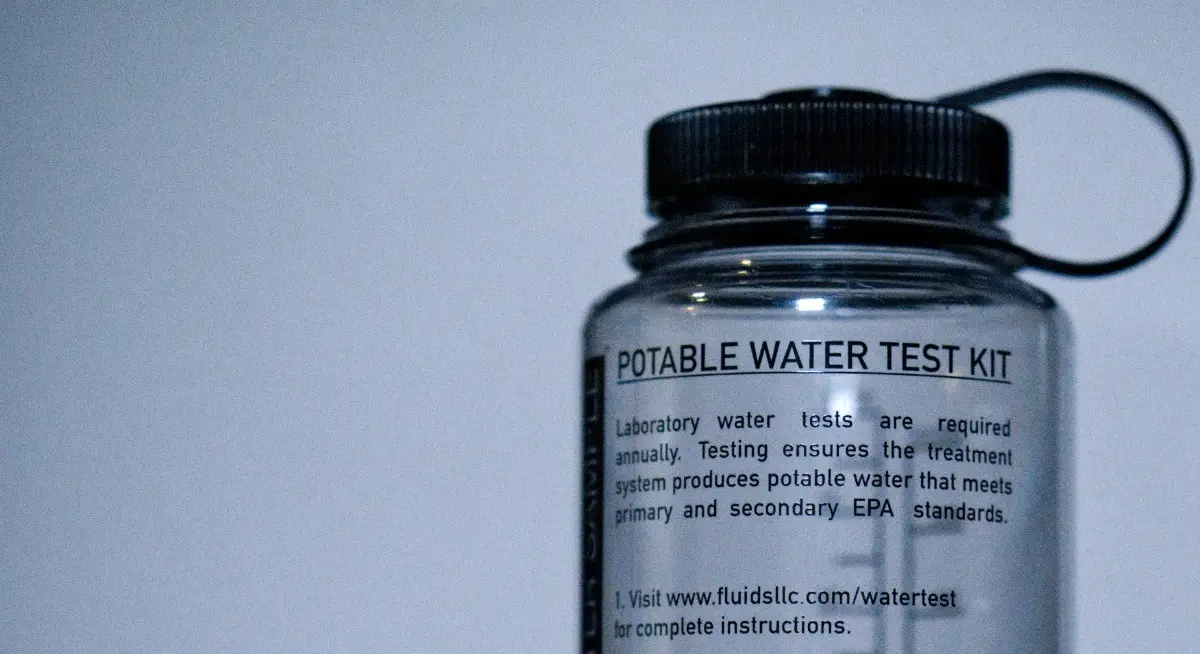
Water may look clear and still contain minerals, metals, dissolved solids, or other characteristics that can affect its quality and how it interacts with equipment.
A water analysis can evaluate parameters such as pH, hardness, alkalinity, iron, manganese, total dissolved solids, chlorides, sulfates, and other constituents depending on the application.
Understanding these conditions creates a baseline for determining whether treatment is necessary and, more importantly, what type of treatment makes sense.
Why Testing Should Come First
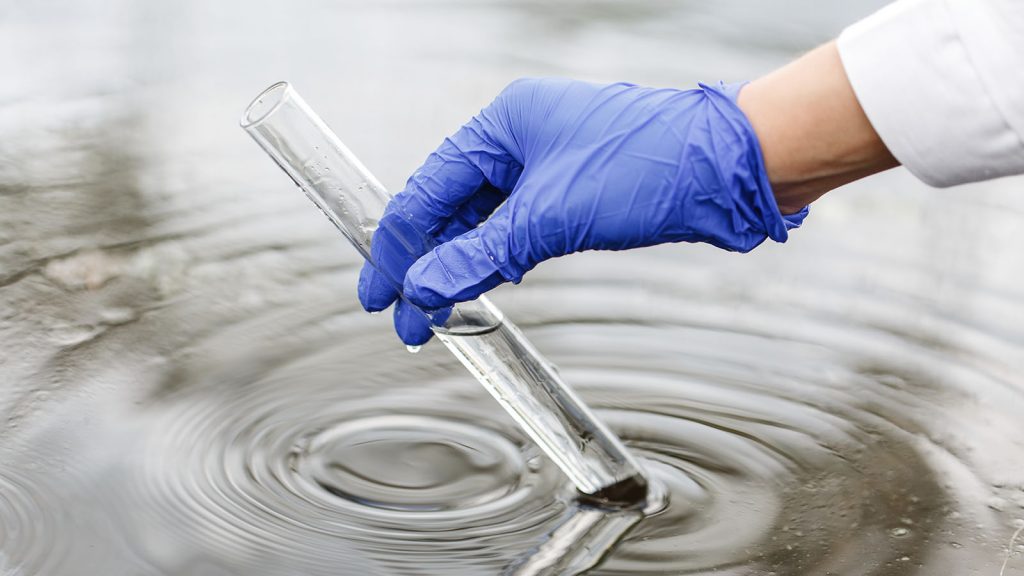
Selecting treatment equipment without first understanding the water can lead to unnecessary costs or a system that does not adequately address the problem.
Testing first can help facility teams:
- Identify specific water quality concerns
- Select appropriate treatment technologies
- Properly size treatment equipment
- Avoid unnecessary treatment processes
- Protect downstream equipment and piping
- Establish a baseline for future testing
For example, a facility experiencing staining, scaling, unusual taste, or premature equipment wear may have several possible causes. Testing helps narrow down the source of the problem before a solution is selected.
Matching the Treatment to the Water
Once the water quality is understood, the appropriate treatment process can be determined. Depending on the results, a system may require filtration, softening, chemical treatment, reverse osmosis, or a combination of technologies.
At Fluid Solutions, our Water Division supports potable and wastewater treatment, reverse osmosis systems, pumps, controls, chemical supply, and water analysis services.
Taking a system-level approach is especially important because water treatment equipment rarely operates independently. Pumps, storage tanks, piping, controls, and treatment equipment must work together to deliver consistent water quality and reliable long-term operation.
Water Quality Can Change Over Time
Testing should not necessarily end after a treatment system is installed. Water conditions can change due to seasonal variations, changes in the source, aging infrastructure, operational changes, or modifications to the facility.
Periodic testing allows facility teams to compare current conditions to previous results and identify changes before they become larger operational problems.
This is especially valuable for facilities that depend on reliable water systems for critical operations. Just as routine inspections and preventative maintenance help protect mechanical equipment, monitoring water quality can help protect the treatment system and the equipment it serves.
Final Thoughts
Effective water treatment starts with understanding the water itself. Testing provides the data needed to identify potential issues, select appropriate treatment technologies, and avoid designing a system around assumptions.
Fluid Solutions offers water analysis services as part of our complete approach to water treatment. We can help evaluate your facility’s water, interpret the results, and determine what treatment options may be appropriate. Our team also supports water treatment systems from design and equipment supply through startup, commissioning, maintenance, repair, and training.
Ready to find out what is in your water? Contact Fluid Solutions to request water testing or discuss your facility’s water treatment needs.
